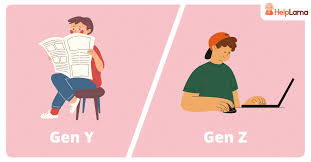
In today’s evolving workforce landscape, Malaysian organisations are experiencing a generational shift like never before. Two dominant age groups—Generation Y (Millennials) and Generation Z—now make up a significant portion of the workforce. While both bring unique strengths, their differing values, work habits, and expectations present new challenges and opportunities for Human Resources (HR) professionals. Understanding how these generations operate is crucial for building a cohesive, productive, and future-ready workplace.
Generation Y, commonly known as Millennials, includes individuals born between 1981 and 1996, who are now between 29 and 44 years old. They tend to value work-life balance, personal development, flexible work environments, and meaningful engagement with their employers. Having grown up during the rise of the internet and economic uncertainty, they are known for being adaptive, socially conscious, and loyal when they see growth opportunities.
Generation Z, born between 1997 and 2012, is the youngest group entering the job market. These digital natives have been raised in a fully connected world, shaped by smartphones, social media, and instant access to information. They are confident, outspoken, and eager for purpose-driven work. Gen Z tends to challenge traditional systems, expect rapid feedback, and prioritise mental well-being and diversity in the workplace.
The primary challenge for HR lies in managing the generational gap in work styles and communication. Gen Y prefers structured interactions like emails, formal meetings, and documented processes. Gen Z, on the other hand, thrives on real-time communication tools such as Slack, WhatsApp, and collaborative apps, often relying on short-form messages, emojis, and visual content. Without intentional effort to bridge these communication preferences, misunderstandings can arise.
From a technological standpoint, both generations are tech-savvy—but with a difference. While Millennials adapted to technology during their formative years, Gen Z was practically born with it. This means they expect seamless digital experiences in the workplace. If systems are outdated or inefficient, Gen Z employees may quickly lose motivation or seek opportunities elsewhere. HR teams must ensure that the tools, platforms, and processes in use are intuitive, mobile-friendly, and up to date.
Another key difference lies in career outlook and loyalty. Millennials generally seek stability and are likely to stay with an employer that provides growth, recognition, and purpose. Gen Z, however, is more agile and bold in career moves. They are unafraid to leave a job within months if they feel underutilised or uninspired. This new mindset challenges HR to rethink retention strategies and offer faster, more meaningful engagement.
Despite these differences, both generations bring tremendous value to organisations. Millennials contribute experience, resilience, and strategic thinking, often serving as team leaders or mentors. Gen Z brings innovation, fresh energy, and a willingness to question outdated norms. When these qualities are harnessed together, organisations benefit from dynamic collaboration and improved adaptability to change.
To maximise the potential of both groups, HR must take proactive steps. Initiatives such as cross-generational leadership training, reverse mentoring, and flexible work arrangements can bridge gaps and foster understanding. Creating a culture that respects diversity in thinking and communication styles is vital. Additionally, offering platforms for both formal learning and self-guided upskilling can meet the expectations of both generations.
It is equally important for company policies to reflect a balanced approach that does not favour one generation over another. HR should listen to feedback from employees across age groups and make decisions that promote inclusivity, psychological safety, and long-term engagement.
In conclusion, the differences between Gen Z and Gen Y in the workplace are not roadblocks—they are opportunities. HR professionals who can recognise and appreciate these generational distinctions will be in a strong position to build thriving, future-focused workplaces. By embracing both experience and innovation, Malaysian organisations can create an environment where every generation not only coexists but flourishes together.